Skip to content
Semi Solid State Battery

What Is a Semi Solid State Battery — And Why It Will Power EVs First

The semi solid state battery bridges today's manufacturing reality with tomorrow's energy demands — deployable now, on existing production lines, at a fraction of full solid-state cost.

20+

Years Experience

50+

Export Countries

500+

Product Types

100M+

Pieces / Year

Factory Direct Supply
OEM / Custom Sizes
Strict Quality Control
Fast Quotation
Export Experience
Worldwide Shipping
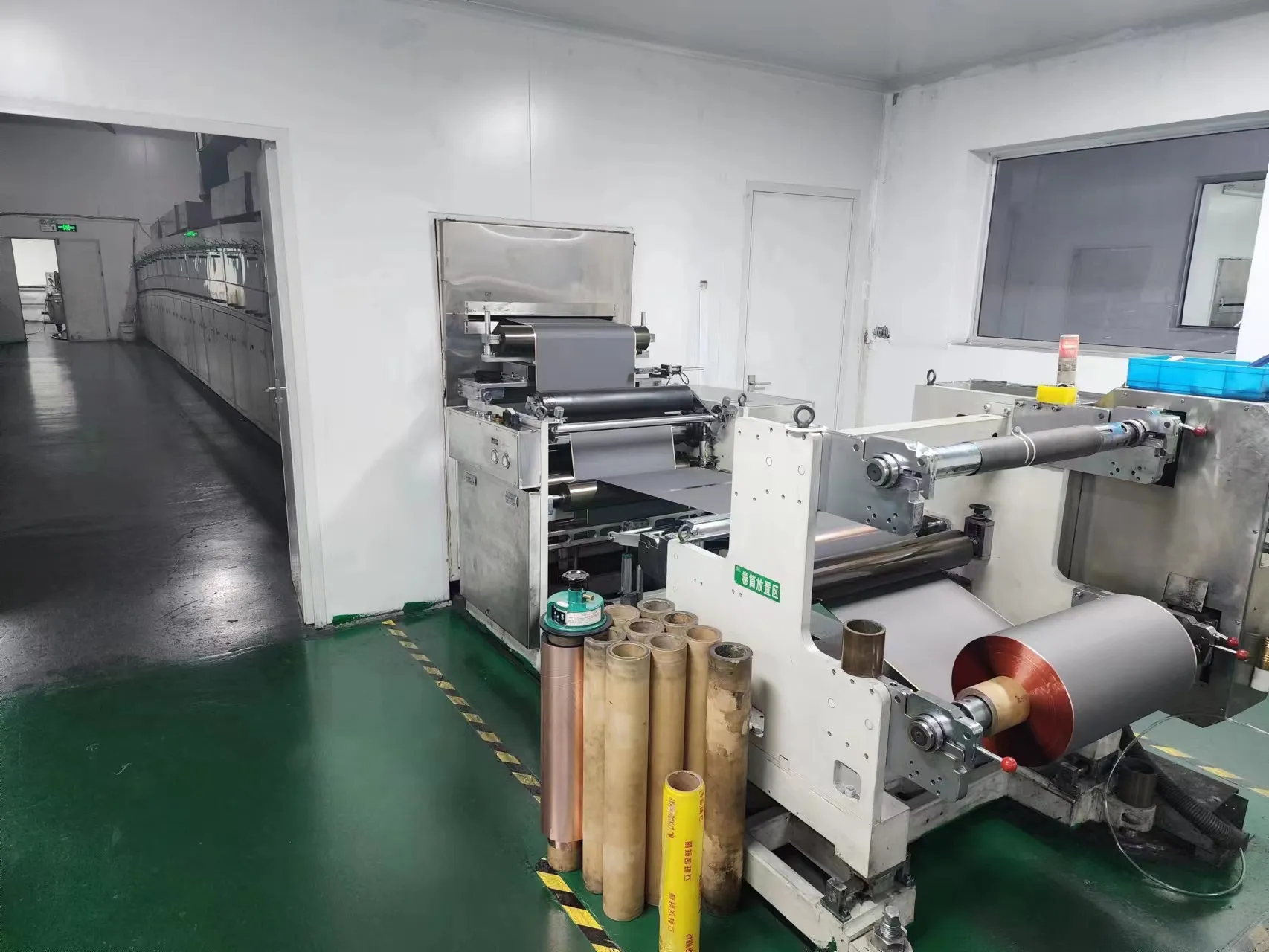
antbattery semi solid state battery production floor — Qingdao manufacturing facility
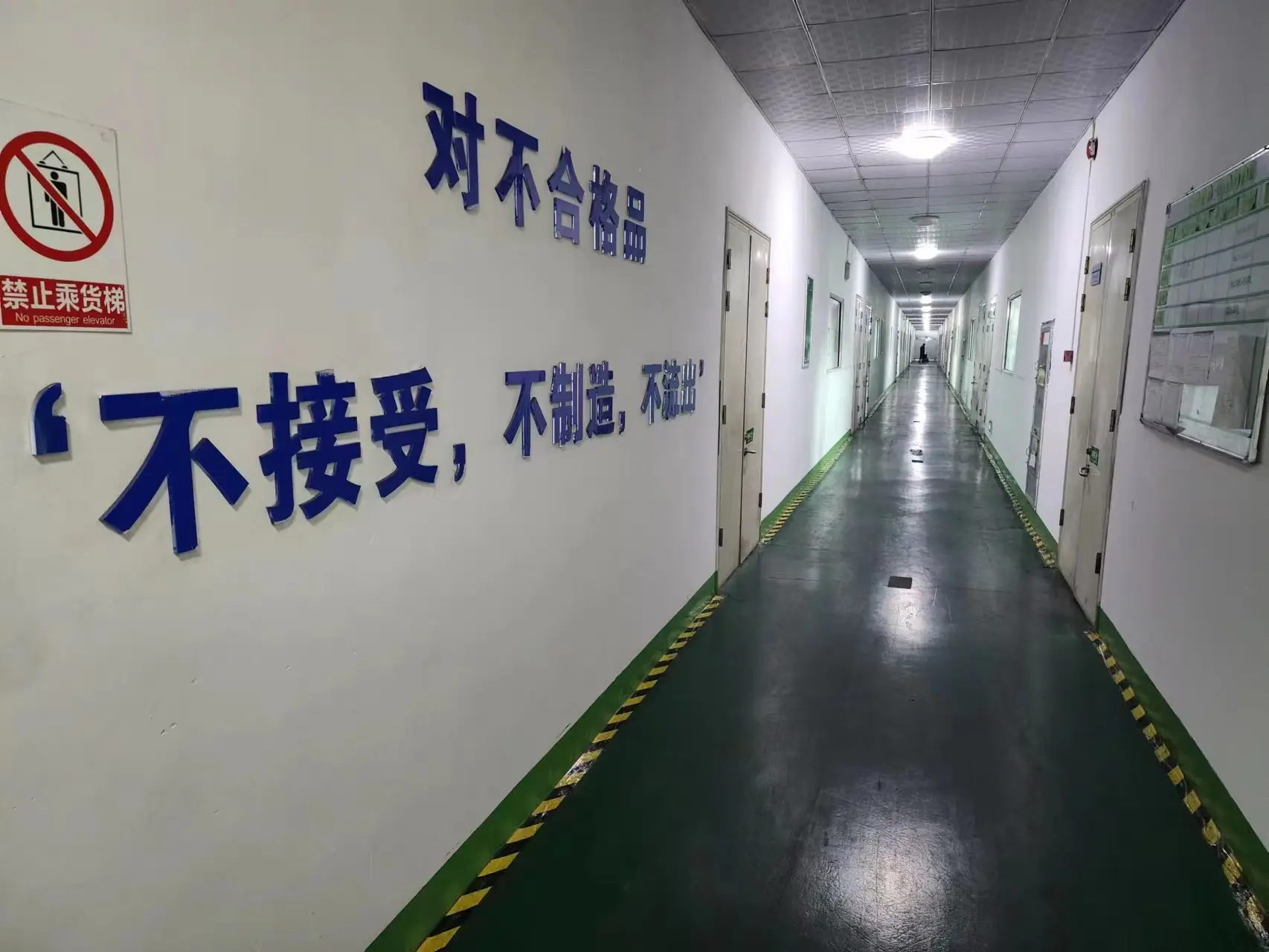
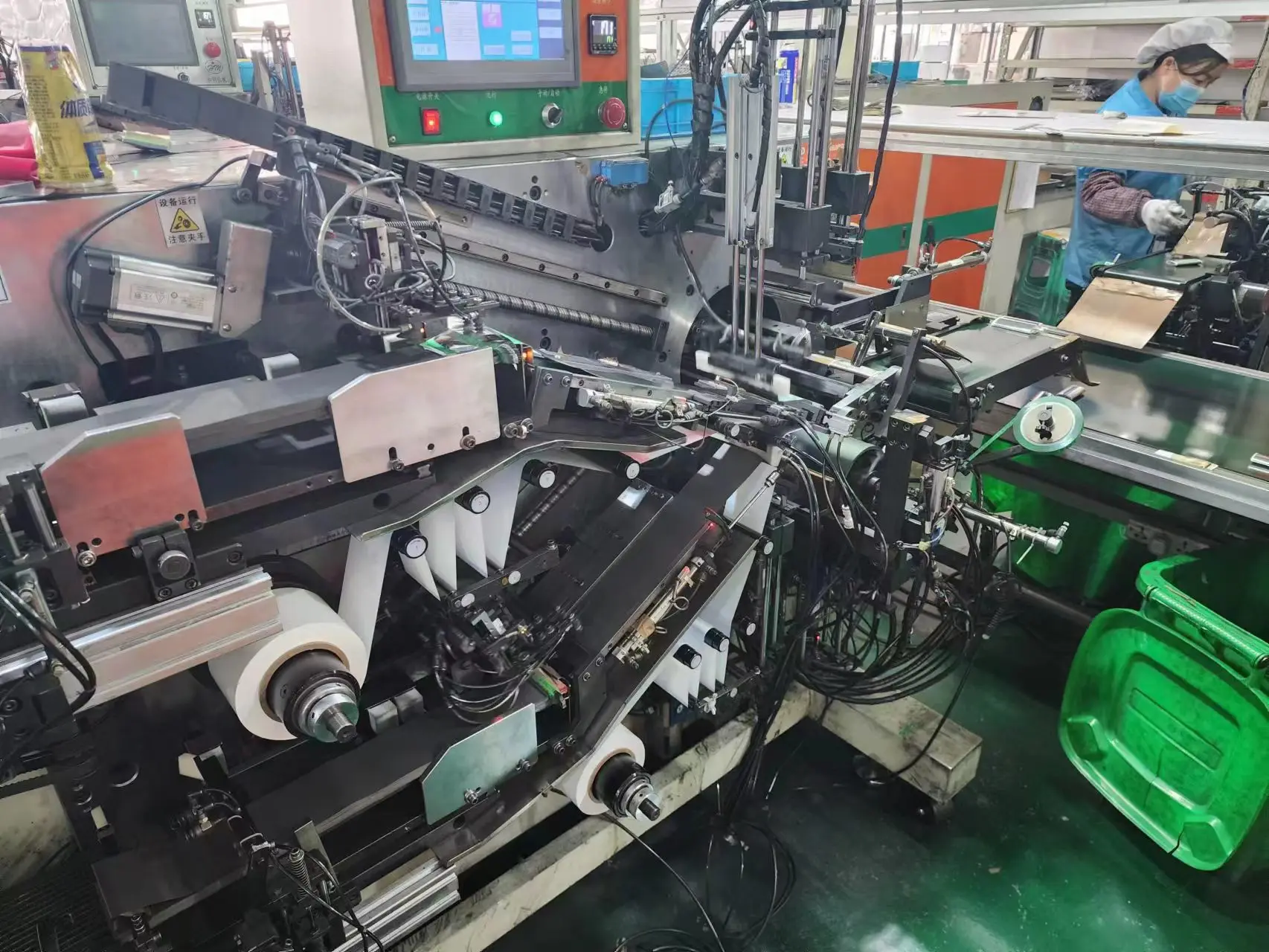
antbattery battery assembly line — pouch cell and polymer battery production, Qingdao
antbattery quality control and testing area — semi solid state battery inspection
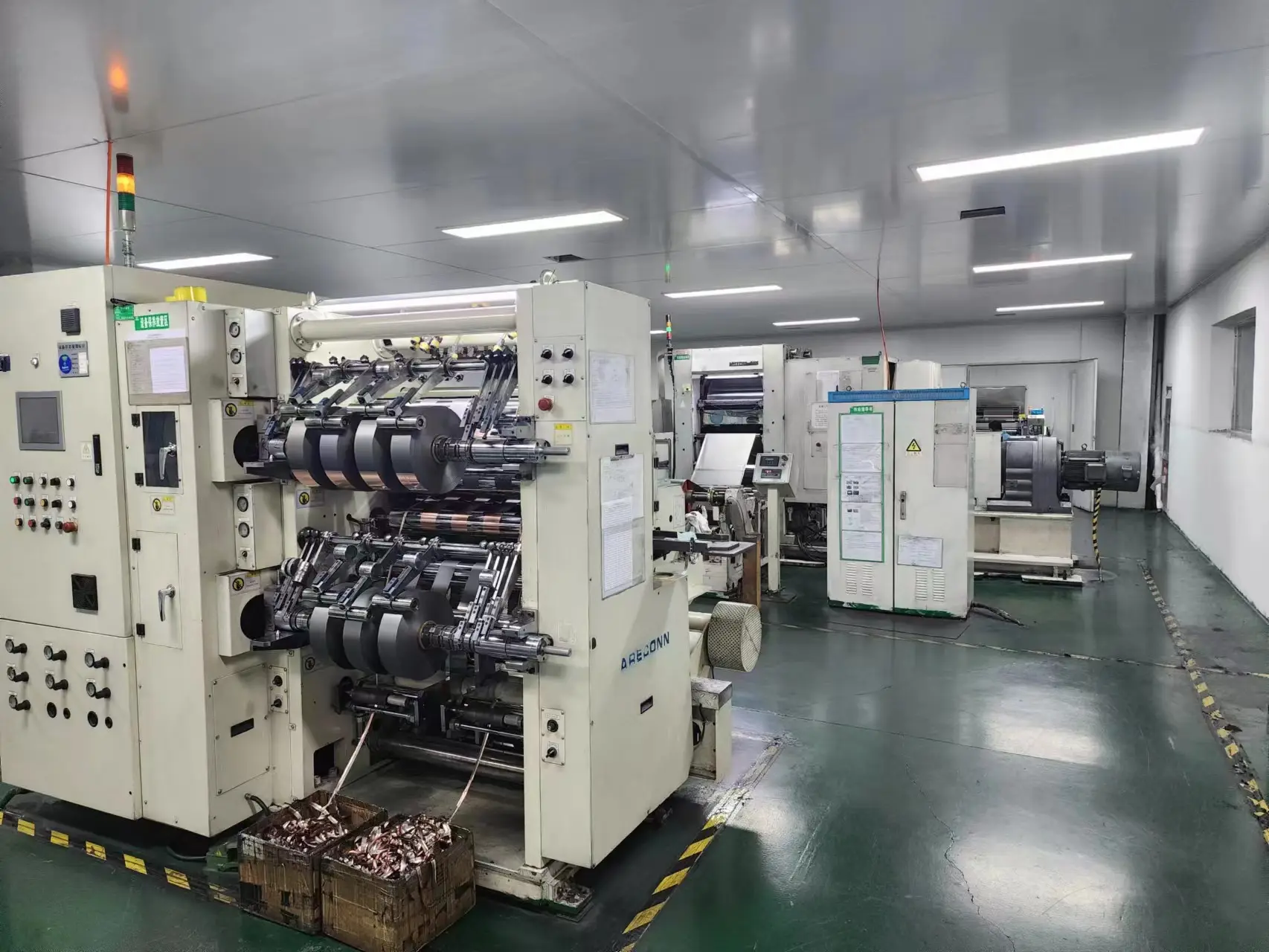
antbattery factory interior — battery manufacturing equipment and production line

What It Is

The bridge between today and tomorrow

Full solid-state batteries promise revolutionary performance — but they require entirely new manufacturing infrastructure, exotic materials, and precision processes not yet ready for mass production.

The semi solid state battery takes a smarter path. It replaces the bulk of the liquid electrolyte with a semi-solid or gel electrolyte, capturing most of the safety and energy benefits while remaining manufacturable on today's production lines.

Partial Solidification

The electrolyte is partially solidified — gel-like, not fully liquid and not fully solid. This gives stability without the manufacturing complexity of all-solid-state cells.

Existing Production Lines

Semi solid battery manufacturing is compatible with existing lithium-ion equipment. Factories can retool in months, not years.

Higher Energy Density

By reducing liquid electrolyte volume, semi solid cells pack more active material per unit, reaching 280–350 Wh/kg at cell level.

Safer Chemistry

Less liquid electrolyte means dramatically lower flammability risk and better thermal stability — reducing the risk of thermal runaway.

Comparison

How semi solid state stacks up

Compared to conventional liquid lithium-ion and next-generation full solid-state cells across the metrics that matter most for EV deployment.

Energy Density (Wh/kg)

Semi Solid State350 Wh/kg
Liquid Li-Ion272 Wh/kg
Full Solid State (lab)380 Wh/kg

Thermal Safety Index

Semi Solid StateHigh
Liquid Li-IonMedium
Full Solid State (lab)Very High

Manufacturing Readiness

Semi Solid StateProduction Ready
Liquid Li-IonMature
Full Solid State (lab)Pre-Production
Semi Solid State
Liquid Li-Ion
Full Solid State (lab)

Products

Our battery range

View all products

UN 38.3

Transport safety

IEC 62133

Safety requirements

UL 1642

Lithium batteries

CE

European conformity

RoHS

Hazardous substance

ISO 9001

Quality management

IATF 16949

Automotive quality

EV / Power

QA-300 Pouch Cell

Flagship

Our highest energy density cell, designed for electric vehicle applications where range matters most. Compatible with existing EV pack architectures and validated against UN38.3 and IEC 62133.

Specifications

Energy Density
320 Wh/kg
Nominal Voltage
3.7 V
Capacity
50 Ah
Cycle Life
> 1,000 cycles
Operating Temp
-20°C to 60°C
Format
Pouch
Electric vehiclesEV bus & truckMotorsport
Energy Storage

QA-280 Lithium Polymer Battery

Industrial

High-cycle prismatic cell engineered for stationary energy storage, grid-buffering, and commercial BESS projects. Reduced thermal risk vs. standard NMC lithium-ion.

Specifications

Energy Density
285 Wh/kg
Nominal Voltage
3.65 V
Capacity
100 Ah
Cycle Life
> 2,000 cycles
Operating Temp
-10°C to 55°C
Format
Prismatic
Grid energy storageCommercial BESSUPS systems
Portable Power

QA-260 Semi Solid State Battery

OEM Ready

Semi solid state 21700 format cell with higher energy density and improved thermal stability over standard lithium-ion. Drop-in compatible for OEM integration with standard BMS systems.

Specifications

Energy Density
300 Wh/kg
Nominal Voltage
3.7 V
Capacity
5.5 Ah
Cycle Life
> 1,200 cycles
Operating Temp
-20°C to 60°C
Format
21700 Cylindrical
Portable power stationsMedical devicesIndustrial tools
Custom

Custom Cell Program

By Request

Bespoke cell development for OEMs with specific voltage, capacity, dimensions, or chemistry requirements. From prototype through to volume production with full QC documentation.

Specifications

Energy Density
Up to 350 Wh/kg
Voltage
Custom
Capacity
Custom
Cycle Life
Per specification
Format
Pouch / Prismatic
MOQ
Negotiable
OEM integrationCustom form factorsSpecialty applications

Why EVs First

Six reasons semi solid state batteries will reach EVs first

The gap between full solid-state promises and actual EV deployment is where semi solid technology wins — every time.

01

Drop-in Compatible Manufacturing

Semi solid cells are produced on adapted versions of standard lithium-ion lines. No exotic solid electrolyte deposition. No dry-room-level humidity control across the whole factory.

02

Cost-Competitive at Scale

Manufacturing costs track closely with conventional Li-Ion, so semi solid batteries can reach price parity at similar production volumes — something full solid-state cannot match until at least 2030.

03

Range Without Compromise

Higher cell-level energy density (280–350 Wh/kg) means more range for the same pack weight, or the same range with a lighter and cheaper pack.

04

Proven Safety at Cell Level

Semi solid cells have passed automotive-grade abuse testing. Nail penetration, overcharge, and thermal shock results consistently outperform conventional liquid lithium-ion.

05

Faster to Market

Full solid-state timelines remain 2028–2032 for mass EV use. Semi solid batteries are in production today — the technology is available now, not in a decade.

06

Scalable Supply Chain

Semi solid battery supply chains leverage existing cathode, anode, and cell materials. No proprietary solid electrolyte bottlenecks that could constrain global ramp-up.

FAQ

Common questions

A semi solid state battery uses a partially solidified or gel-like electrolyte instead of a fully liquid one. This gives better thermal stability and higher energy density than conventional lithium-ion while remaining manufacturable on existing production equipment — unlike full solid-state cells.
Full solid-state batteries replace all liquid electrolyte with a solid ceramic or polymer material, requiring entirely new manufacturing infrastructure. Semi solid batteries use a gel-phase electrolyte that captures most safety and energy benefits, but can be produced on adapted current lines.
Full solid-state mass production for EVs is not expected until 2028–2032 at the earliest. Semi solid cells are in production today and compatible with existing supply chains. The manufacturing readiness gap is the single biggest reason semi solid reaches EVs first.
At cell level, 280–350 Wh/kg — compared to 250–280 Wh/kg for standard liquid lithium-ion. This translates directly to more vehicle range for the same pack weight, or a lighter pack for the same range.
Yes. The reduced liquid electrolyte significantly lowers flammability risk. Semi solid cells also show improved thermal stability in abuse testing — nail penetration, overcharge, and thermal shock — all primary concerns in EV battery safety.
antbattery operates its semi solid state battery production facility in Qingdao, Shandong Province, China.

Request a Quote

Tell us about your battery requirements

Fill in the form and our team will respond within one business day with pricing, lead time, and technical specifications tailored to your application.

Fast response

Within one business day

Custom spec sheets

Tailored to your application and volume

Sample cells available

For qualification testing before bulk order

Prefer to message directly?

Chat on WhatsApp

We respond within one business day. No spam, ever.

Newsletter

Stay ahead of the curve

Get the latest on semi solid state battery technology, EV adoption timelines, and manufacturing updates. No spam. Unsubscribe any time.